
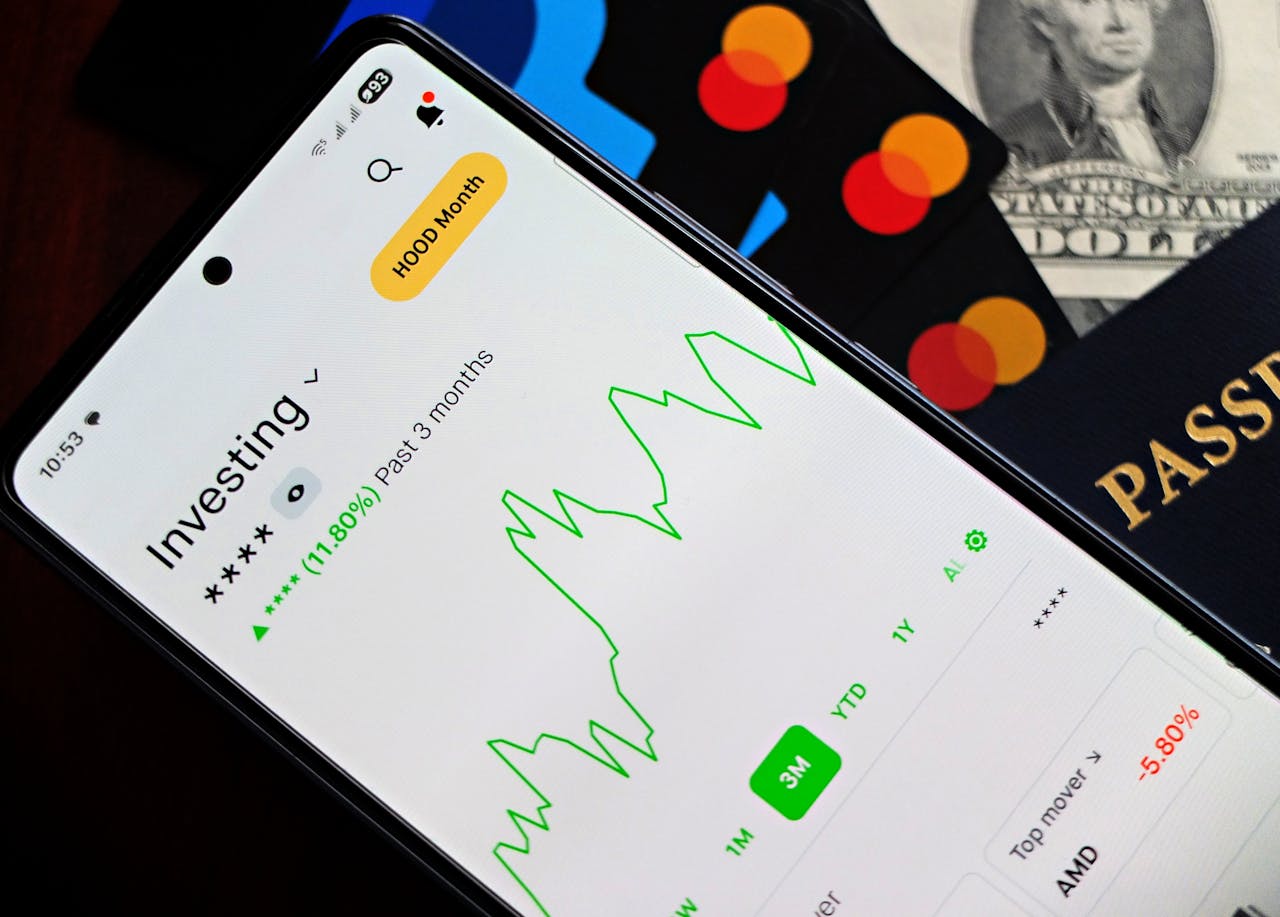
DIY financial management apps are revolutionizing personal finance, posing both opportunities and concerns for conservative values.
Story Highlights
- Surge in DIY financial app usage, with 70% of US adults adopting these tools.
- Empowerment of individuals through self-directed finance management.
- Challenges include data security risks and market saturation concerns.
- Traditional financial advisors face disruption from app-driven solutions.
The Rise of DIY Financial Management Apps
DIY financial management apps have surged in popularity, empowering individuals to take control of their finances without relying on traditional advisors. Driven by widespread smartphone use and advances in AI, these apps offer consumers tools for budgeting, investing, and wealth management. Today, over 70% of US adults use at least one such app, highlighting a significant shift toward self-directed financial control.
These applications, including popular options like Mint, YNAB, and PocketGuard, provide features such as zero-based budgeting and real-time financial tracking. They appeal particularly to millennials and Gen Z, who seek cost-effective, digital-first solutions amid economic uncertainty. As these younger demographics increasingly favor digital tools, the market for DIY financial apps continues to expand.
Market Growth and Economic Implications
The DIY financial app market has experienced robust growth, with projections indicating continued expansion. As of 2025, the market size varies between $3.45 billion for financial apps and up to $31.7 billion for personal finance solutions. Forecasts suggest a potential market size of up to $173.6 billion by 2035, driven by a compound annual growth rate (CAGR) of 15-20.8%.
This growth reflects a broader trend of financial empowerment, enabling individuals to manage their wealth more independently. However, it also raises concerns about data security and the saturation of the market. As more users adopt these tools, ensuring privacy and protection of financial information becomes paramount.
Impact on Traditional Financial Services
The rise of DIY financial management apps poses a significant challenge to traditional financial advisors. With more consumers opting for app-based solutions, the role of advisors is being redefined. Apps that offer robo-advisory features are mainstreaming investing for beginners, further disrupting the advisory landscape.
This shift underscores the need for financial professionals to adapt by integrating technology into their services to remain relevant. As the app market grows, it also offers economic benefits through enhanced financial literacy and reduced wasteful spending, aiding individuals in coping with inflation and other economic pressures.
Sources:
Financial Advisory Apps and Budgeting Planning
Personal Finance App Market Report
Research Nester on Personal Finance Apps
Smart Budgeting Apps Market Report
Technavio Budget Apps Market Analysis
Academy Bank on Budgeting Apps for Success
Personal Finance Software Global Market Report